
"Peru natural process"
400 article(s) found

The taste of Peruvian coffee is smooth and smooth. Introduction to the characteristics of fine coffee beans in the manor area.
The Andes runs from north to south, and the mountains account for 1% of the total area of the country. The whole territory is divided into three regions from west to east: the western coastal area is a long and narrow arid zone, a tropical desert, the climate is dry and mild, there are intermittent plains, irrigated agriculture is developed, and the urban population is concentrated; the central mountain plateau is mainly the middle part of the Andes, with an average elevation of about 4300 meters, the birthplace of the Amazon River in the east.

A brief introduction to the treatment method of grinding degree and baking degree of Peruvian boutique coffee beans with balanced taste
Peruvian coffee is grown in a planned way, which has greatly increased coffee production. Peruvian coffee has a mellow taste and proper acidity, and this lukewarm coffee attitude has made more and more people like it. Peruvian coffee has always been used as one of the stable mellow mixed beans of comprehensive coffee. Its rich acidity and mellow smoothness are its most prominent features. Peruvian coffee

Full-bodied Peruvian coffee flavor taste Peruvian organic coffee boutique coffee beans introduction
Peruvian coffee is grown in a planned way, which has greatly increased coffee production. Peruvian coffee has a mellow taste and proper acidity, and this lukewarm coffee attitude has made more and more people like it. Peruvian coffee has always been used as one of the stable mellow mixed beans of comprehensive coffee, and its rich acidity and mellow smoothness are its most prominent features. Peruvian coffee

Coffee beans Peruvian cicada tea Mayu coffee beans
Up to 98 per cent of Peruvian coffee is grown in forest areas, most of the producers are small farmers, and Peru's best coffee is produced in several regions, such as Chanchamayo, Cuzco, Norte and Puno. Most Peruvian coffee is grown under natural conditions, but it is also difficult to confirm the cultivation of all coffee trees. Natural condition

Starbucks single-origin San Igna coffee bean story _ how much is the price of Peruvian coffee
Professional coffee knowledge exchange more coffee bean information please follow the coffee workshop (Wechat official account cafe_style) Starbucks single-origin series Guatemala Peru San Igna coffee beans PER SAN IGNACIO Latin America with the flavor of thyme and violet, dark chocolate-like tail deep roasting full-bodied processing method (water washing) acidity: medium

Peruvian Organic Coffee Northwest Sunshine Cooperative Cajamaca Coffee beans flavor and taste? Secret
Professional coffee knowledge exchange more coffee bean information please follow the coffee workshop (Wechat official account cafe_style) Peruvian organic coffee northwest sunshine cooperative cahamaca coffee beans flavor and taste? Introduction of Peruvian organic coffee beans Macca coffee? Quality: 100% Arabica beans, G1J screen 14, organically cultivated coffee (OCIA certified in USA), fair

How about Peruvian coffee? What are the producing areas of Peruvian coffee? How do you drink Peruvian coffee?
Professional coffee knowledge exchange more coffee bean information please pay attention to the coffee workshop (Wechat official account cafe_style) Peruvian coffee has always been used as one of the stable mellow mixed beans of comprehensive coffee, which is relatively low-key in the coffee industry. But as more and more people like the mellow taste of Peruvian coffee, Peruvian coffee has sprung up rapidly in the international market in recent years, winning many international coffee awards.

A brief introduction to the treatment method of grinding degree and baking degree of Peruvian fine coffee beans with good soft and sour taste
As long as these coffee beans continue to add interesting flavors rather than weaken them. Such a cup of Peruvian coffee has all the bright and deep tastes. When a cup of ordinary Peruvian coffee is in your hand, you don't have to try to taste whether it is good or not. Peruvian coffee beans, best known for their coffee beans from Mangcha Mayou in the central part and Cusco in the south.

The flavor and taste of Peruvian organic coffee the characteristics of manor producing area introduce Peruvian boutique coffee
Peruvian coffee is grown in a planned way, which has greatly increased coffee production. Peruvian coffee has a mellow taste and proper acidity, and this lukewarm coffee attitude has made more and more people like it. Peruvian coffee has always been used as one of the stable mellow mixed beans of comprehensive coffee, and its rich acidity and mellow smoothness are its most prominent features. Peruvian coffee
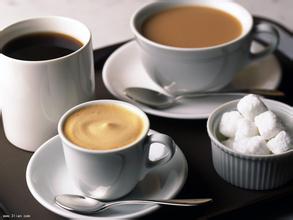
Taste mellow Peruvian Coffee Flavor Manor characteristics of Peruvian Organic Coffee
Peruvian Coffee, a rising star in Peru, is gradually opening up its popularity and entering the world. It is mostly planted in high-altitude areas, the planned planting makes the yield greatly increased, the taste mellow, the right acidity, more and more people like it. Taste characteristics: the taste is mellow and the acidity is just right. Best frying degree: moderate Guatemala, the center of Guatemala

Introduction to the flavor and taste characteristics of Peruvian coffee recommend the method of hand brewing of Peruvian Rosa coffee beans
Flavor and taste characteristics: high-quality and balanced, palatable acidity, can be used for mixed drinks, Peruvian coffee does not have a long history, but as a rising star, Peruvian coffee is gradually opening up its popularity and entering the world. Peru is located in western South America, with a coastline of 2254 kilometers. The Andes run from north to south, and the mountains occupy

Introduction to the method of describing the Flavor of Peruvian Coffee Bean Grinding scale
Per Secreto Peruvian Secret selection Coffee capsule is a rich, sweet, round espresso with roasted and cocoa aromas with a strength of 8. This complex and supple pure source espresso goes well with milk to form a full and delicate texture with a sweet aroma reminiscent of banana banana flamb. Silky texture and fragrance of teeth and cheeks

A brief introduction to the Market Price of Peruvian Fine Coffee Bean varieties with mild sour Taste
Peruvian coffee is grown in a planned way, which has greatly increased coffee production. Peruvian coffee has a mellow taste and proper acidity, and this lukewarm coffee attitude has made more and more people like it. Peruvian coffee has always been used as one of the stable mellow mixed beans of comprehensive coffee. Its rich acidity and mellow smoothness are its most prominent features. Peruvian coffee
High-quality coffee beans recommend Peruvian cicada tea Mayou coffee beans
Up to 98 per cent of Peruvian coffee is grown in forest areas, most of the producers are small farmers, and Peru's best coffee is produced in several regions, such as Chanchamayo, Cuzco, Norte and Puno. Most Peruvian coffee is grown under natural conditions, but it is also difficult to confirm the cultivation of all coffee trees. Natural condition

Peruvian Coffee Flavor and Taste introduction to boutique coffee beans in manor area
It is called Congress, a unicameral system, made up of 130 members. Members are elected for a term of five years and can be re-elected by the Peruvian Presidential Palace. Congress has two sessions a year, and the standing Committee presides over the work during the recess. Each Congress has a term of five years. The current Congress was established in July 2011. The current President of Congress, Victor Isla Rojas (Victor ISLA Rojas), 201

The treatment of Peruvian Coffee beans an introduction to the Grinding scale Manor in the region of Taste production
Peruvian coffee beans are best known for their coffee beans from Chimacha Mayou in the middle and Cusco in the south. In addition, some areas in northern Peru also produce characteristic organic coffee. Organic coffee is made of beans grown in the shade of trees. Although the yield of coffee beans is not high because of the method of planting in the shade, its quality can reach the level of gourmet coffee. This is due to

Introduction to Peruvian Coffee Flavor description, Grinding degree treatment method and Fine Coffee
Peruvian coffee beans are best known for their coffee beans from Chimacha Mayou in the middle and Cusco in the south. In addition, some areas in northern Peru also produce characteristic organic coffee. Organic coffee is made of beans grown in the shade of trees. Although the yield of coffee beans is not high because of the method of planting in the shade, its quality can reach the level of gourmet coffee. This is due to

Is Peruvian decaf good? is Peruvian organic coffee decaf?
Professional coffee knowledge exchange more coffee bean information please follow the coffee workshop (Wechat official account cafe_style) Organic Peruvian Decaf Coffee Peruvian coffee decaf beans Peru Swiss water treatment of decaf coffee this is the first time that Flower has brought low-caffeine beans to everyone. This bean retains the flavor of coffee to the maximum extent while removing caffeine.

Introduction to Peruvian organic coffee? What are the flavor and taste characteristics of Peruvian organic coffee Tunki?
Professional coffee knowledge exchange more coffee bean information please follow the coffee workshop (Wechat official account cafe_style) Peruvian organic coffee introduction? What are the flavor and taste characteristics of Peruvian organic coffee Tunki? Peru is the world's largest producer and exporter of organic coffee and the fourth largest exporter of coffee in the world. Peruvian coffee has always been a premium boutique coffee (Prem

Rich aroma Peruvian coffee grindness taste boutique coffee flavor description method introduction
Independence was declared on July 28, 1821, and the Republic of Peru was established. On October 28, 1835, Bolivia and Peru formally merged, known as the Confederacy of Peru and Bolivia. On February 20, 1839, the Confederacy completely disintegrated. Slavery was abolished in 1854. From 1879 to 1883, Peru joined Bolivia and Chile in the South American Pacific War for saltpeter production. After Peru's defeat, Chile captured the world.